February 10, 2026
Preparing for Your First Tattoo - A Complete Guide for Phoenix Newcomers
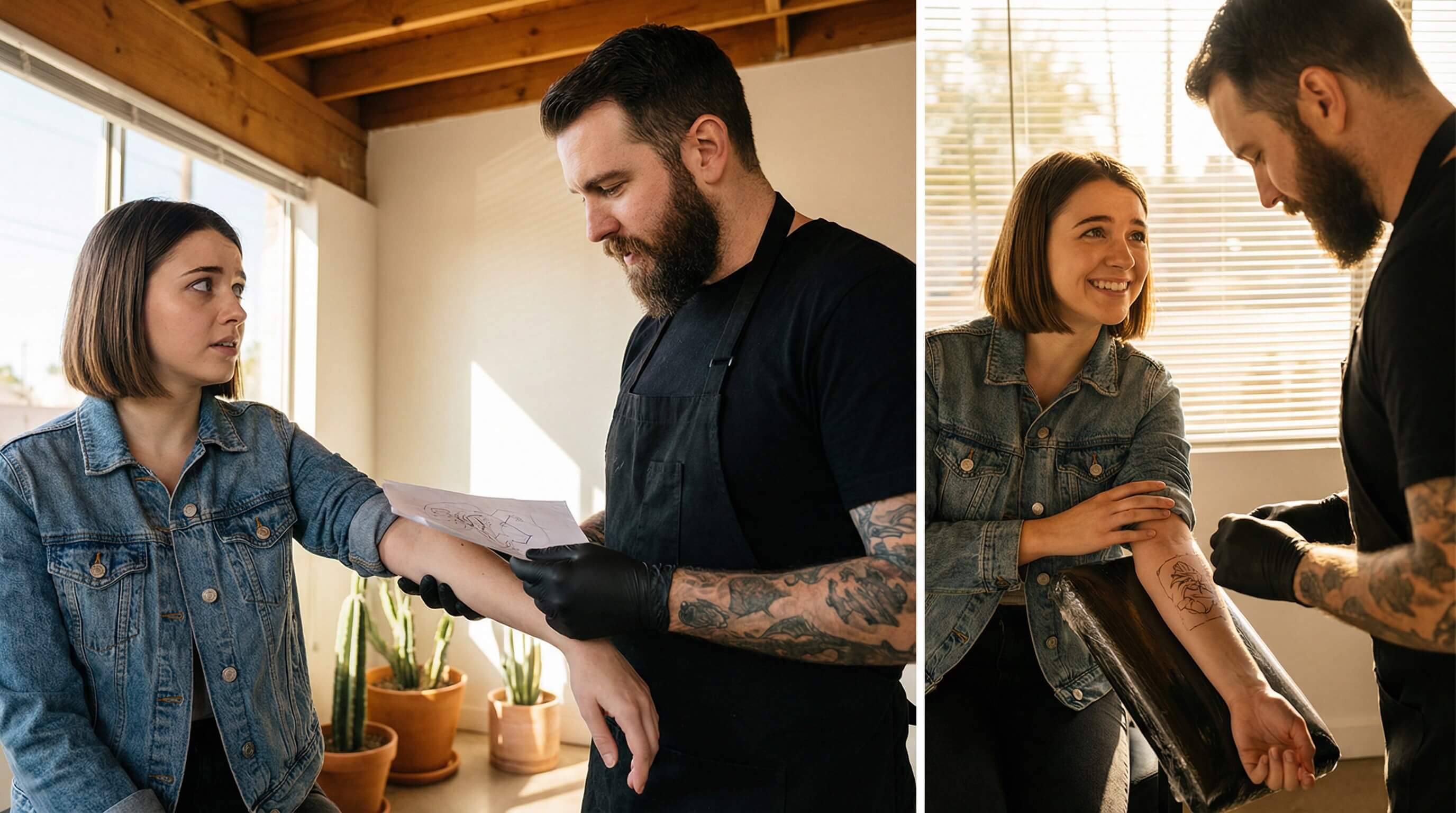
Introduction: Your First Tattoo Journey Starts Here
Getting your first tattoo is exciting—but if you're being honest, it's also a little nerve-wracking. That's completely normal. At Grand Avenue Tattoo in Phoenix, we guide hundreds of first-timers through this experience every year, and we've learned that preparation is the key to turning anxiety into anticipation.
This guide covers everything you need to know before sitting in the chair for the first time—from mental preparation to aftercare planning. By the time you finish reading, you'll walk into your appointment feeling confident, informed, and ready for an experience you'll remember forever.
Part 1: Mental Preparation - Managing First-Tattoo Anxiety
Understanding Tattoo Pain: The Real Story
Let's address the elephant in the room: yes, tattoos involve some discomfort. But the reality is often far less dramatic than your imagination suggests.
Pain Levels Vary Dramatically:
Least painful areas: Outer arm, outer thigh, calf (more flesh, fewer nerve endings)
Moderate pain: Shoulder, upper back, ribs (moderate nerve density)
Most intense: Inner arm, ribs, feet, hands (high nerve concentration, thin skin over bone)
The Sensation: Most clients describe tattoo pain as a "hot scratching" or "repeated rubber band snapping" sensation—not sharp, but persistent. The endorphins your body releases typically kick in within 10-15 minutes, making the experience more manageable.
Anxiety Management Techniques:
Breathing: Practice slow, steady breathing. Inhale for 4 counts, exhale for 6 counts.
Distraction: Bring headphones with a playlist that calms you. Many artists are happy to chat during the process.
Perspective: Remember that millions of people get tattoos every year. The anticipation is usually worse than the experience.
Part 2: Physical Preparation - Setting Yourself Up for Success
The Week Before Your Appointment
Hydrate Aggressively: Well-hydrated skin accepts ink better and heals faster. Start increasing your water intake 3-4 days before your appointment. Aim for half your body weight in ounces daily (150 lbs = 75 oz of water).
Moisturize Daily: Apply unscented lotion to the tattoo area daily for a week before your appointment. Healthy, hydrated skin takes ink more evenly. Avoid heavy fragrances that could irritate fresh tattoo work.
Avoid Blood Thinners:
Skip alcohol for 48 hours before (it thins blood and increases bleeding)
Avoid aspirin, ibuprofen, and fish oil supplements 24 hours prior (these thin blood)
If you take prescription blood thinners, consult your artist beforehand
Get Good Sleep: Being well-rested helps your pain tolerance and ensures you stay still during the session. Aim for 7-8 hours the night before.
The Day Of Your Appointment
Eat a Solid Meal: Tattooing burns calories and can lower blood sugar. Eat a substantial meal 1-2 hours before your appointment. Include protein and complex carbs for sustained energy. Many first-timers feel lightheaded if they tattoo on an empty stomach.
Avoid Caffeine: Coffee and energy drinks can increase anxiety and make you jittery. If you're sensitive to caffeine, skip it the day of your tattoo. If you need your morning coffee, keep it to one cup.
Dress Appropriately:
Wear comfortable, loose clothing that provides easy access to the tattoo area
For arm tattoos: wear a tank top or short sleeves
For leg tattoos: wear shorts or pants that roll up easily
Bring a jacket or layer—shops can be chilly, and your body temperature may fluctuate
Shower Beforehand: Clean skin reduces infection risk and is courteous to your artist. Avoid heavy perfumes or scented lotions.
Part 3: What to Bring to Your Appointment
Essential Items
Valid ID: All reputable shops require ID proving you're 18+. Bring a driver's license or passport.
Reference Materials: Bring any images, sketches, or reference photos that inspired your design. Even if you discussed everything beforehand, having visual references helps ensure you're both on the same page.
Payment: Most shops accept cash and cards, but some prefer cash tips for artists. Check your shop's payment policy beforehand. Budget for your tattoo cost plus 15-20% tip for your artist.
Entertainment:
Headphones and a fully charged device
Downloaded podcasts, audiobooks, or playlists (streaming can be spotty)
A book or magazine for longer sessions
Snacks & Hydration:
Water bottle (staying hydrated during long sessions matters)
Light snacks: granola bars, fruit, crackers
Hard candy or mints (helpful for blood sugar and distraction)
Aftercare Preparation: Don't wait until you're walking out the door to think about aftercare. Purchase these items beforehand:
Fragrance-free gentle soap (Dial, Dove unscented)
Tattoo-specific aftercare ointment or Aquaphor
Unscented lotion (for later healing stages)
Soft, clean bed sheets you don't mind getting ointment on
Loose, breathable clothing that won't rub the fresh tattoo
Part 4: Design Considerations for First-Timers
Size and Placement Strategy
Start Manageable: For your first tattoo, consider starting with a design that takes 1-2 hours. This lets you experience the process without overwhelming yourself. You can always add to your collection later.
Think About Visibility:
Highly visible (hands, neck, face): These make strong first impressions. Consider career implications and personal readiness.
Moderately visible (arms, calves): Easy to show off or cover as needed.
Concealable (torso, upper thigh, back): Gives you control over when to share your art.
The "Sleep On It" Rule: If you're deciding between designs, wait a week. The design that still excites you after seven days is the right choice. Impulsive tattoo decisions often lead to regret.
Design Elements That Age Well
Bold Lines: Thin, delicate lines can blur over time. Designs with strong outlines maintain clarity longer.
Proper Sizing: Tiny tattoos look crisp initially but can become muddy as they age. Work with your artist to find the minimum size that will hold up.
Meaning Over Trend: Trends fade. Personal meaning endures. Choose imagery that resonates with you, not just what's popular on Instagram this month.
Part 5: During Your Appointment - What to Expect
The Process Step-by-Step
1. Design Finalization (15-30 min): Your artist will create or refine a stencil of your design. This is your last chance to make adjustments. Speak up if something doesn't look right—artists prefer fixing the stencil to fixing a completed tattoo.
2. Setup & Preparation (10-15 min): Your artist will prep their station, unwrap sterile needles, and set up ink. They'll shave and clean the tattoo area. This is a good time to use the restroom—you don't want to interrupt mid-session.
3. Stencil Application (5 min): The artist applies the stencil to your skin, positioning it carefully. Check the placement in a mirror. Once you approve, the stencil stays. This is your last "yes" before the needle.
4. The Tattoo Session (varies):
First 10 minutes: Usually the most intense as you adjust to the sensation
Middle: You typically settle into a rhythm. Chat with your artist if you want distraction.
Final stretch: Skin becomes more sensitive as the session progresses. Focus on breathing.
5. Aftercare Instructions (10 min): Your artist will bandage the tattoo and walk you through care instructions. Pay close attention—proper aftercare prevents infection and ensures your tattoo heals beautifully.
Communication During the Session
Speak Up If:
You need a break (artists expect this—just ask)
The pain becomes overwhelming
You're feeling lightheaded or nauseous
Something about the design doesn't look right
You need to adjust your position
Trust Your Artist If:
They suggest slightly changing placement for better flow
They recommend adjusting the design for longevity
They tell you a color choice might not heal well
Remember: they're the experts. Their suggestions come from experience, not criticism of your ideas.
Part 6: Phoenix-Specific Considerations
Climate and Healing
The Desert Challenge: Phoenix's dry climate is actually excellent for tattoo healing—low humidity reduces infection risk. However, it also means you need to be more diligent about moisturizing.
Sun Exposure: Fresh tattoos and Arizona sun are enemies. During healing (2-4 weeks), keep your tattoo completely covered when outdoors. Even healed tattoos fade faster with sun exposure—use SPF 50+ to protect your investment.
Seasonal Timing:
Best seasons: Fall, winter, and early spring (cooler weather, easier to cover healing tattoos)
Summer: Still doable, but requires extra diligence with sun protection and hydration
Hydration Amplified: The dry desert air pulls moisture from everything, including healing skin. Drink more water than you think you need, and moisturize more frequently than the standard aftercare instructions suggest.
Part 7: After Your First Tattoo - The First 48 Hours
Immediate Aftercare
Keep the Bandage On: Leave the initial bandage on for the time your artist recommends (usually 2-6 hours). This prevents bacteria from entering the fresh wound.
First Wash: Gently wash with unscented soap and lukewarm water. Pat dry with a clean paper towel—don't rub. Apply a thin layer of aftercare ointment.
The First Night:
Sleep on clean sheets
Wear loose clothing over the tattoo
Expect some plasma/ink leakage on the bedsheet (normal)
Keep pets away from the fresh tattoo
Common First-Reactions:
"It looks shiny and swollen" — Normal for first 24-48 hours
"It's peeling like a sunburn" — Expected during days 3-7
"It itches like crazy" — Good sign; means healing is progressing
Conclusion: You're Ready
Your first tattoo is a rite of passage. By preparing mentally and physically, choosing a design with personal meaning, and following proper aftercare, you're setting yourself up for an experience you'll treasure—and artwork you'll love for decades.
At Grand Avenue Tattoo, we specialize in first-timers. Our artists understand the mix of excitement and nerves that comes with your debut piece, and we're committed to making the experience as comfortable and memorable as possible.
Ready to take the next step? Schedule a consultation to discuss your first tattoo design. We'll answer any remaining questions and help you turn your vision into reality. Your skin is your canvas—let's create something amazing together.
About Grand Avenue Tattoo: Serving Phoenix and Scottsdale with expert tattoo artistry since 2018. Specializing in custom designs, cover-ups, and first-timer guidance. Walk-ins welcome, appointments recommended.
Related Articles:
Tattoo Aftercare in Phoenix: Desert Climate Tips
How Much Do Tattoos Cost in Phoenix? 2026 Pricing Guide
Tattoo Cover-Up Guide: Transforming Regret into Art
Tags: #FirstTattoo #TattooPreparation #PhoenixTattoo #GrandAvenueTattoo #TattooTips #FirstTimerTips